
Most workplace injuries don’t happen because someone intended to take a risk.
They happen on hot afternoons. During busy shifts. When a new employee is still learning the ropes. Or when an experienced worker has done the same task so many times that it feels automatic.
That’s why summer can be one of the most important times of year to refocus on workplace safety.
For employees working in manufacturing, warehousing, logistics, construction, and other industrial environments, warmer temperatures and increased staffing demands can create conditions where small mistakes have bigger consequences.
The goal isn’t simply following procedures. It’s making sure everyone goes home at the end of the day healthy, safe, and ready to enjoy life outside of work.
Heat Changes More Than Comfort
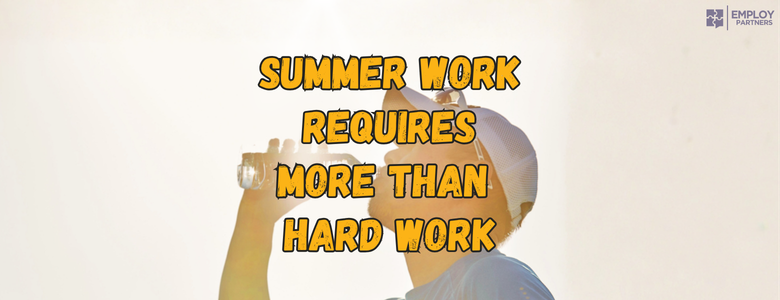
If you’ve ever finished a shift feeling completely drained by the heat, you know how quickly it can affect your focus.
Working in hot environments places additional stress on the body. As temperatures rise, employees may experience:
- Fatigue
- Dizziness
- Dehydration
- Reduced concentration
- Slower reaction times
Even experienced workers can make mistakes when they’re tired, overheated, or distracted by physical discomfort.
A missed step, a rushed decision, or a momentary lapse in attention can lead to an injury that impacts far more than a single workday.
Simple habits can make a meaningful difference:
- Drink water throughout your shift
- Take scheduled breaks
- Pay attention to signs of heat-related illness
- Check in on coworkers who may be struggling with the heat
Looking out for yourself is important. Looking out for each other is just as important.
Summer Often Brings New Faces to the Team
Many companies increase staffing during the summer months to meet production demands, cover vacations, or prepare for busy seasons.
New employees bring energy and help keep operations moving, but they’re also learning a lot at once. They may be unfamiliar with:
- Equipment and machinery
- Facility layouts
- Safety procedures
- Workplace expectations
For someone who’s new to the job, asking questions can sometimes feel intimidating.
That’s why experienced employees play such an important role. A quick explanation, a reminder, or taking a few extra minutes to show someone the right way to do a task can prevent mistakes and build confidence.
The strongest workplaces aren’t the ones where everyone already knows everything. They’re the ones where people feel comfortable asking questions and helping one another learn.
Experience Doesn’t Make Anyone Immune to Risk
Experience is valuable. But familiarity can sometimes make hazards harder to notice.
When you’ve performed the same task hundreds or even thousands of times, it’s natural to rely on habit. That’s often when shortcuts begin to feel harmless.
It may look like:
- Skipping PPE because the task will “only take a minute”
- Taking a faster route through a restricted area
- Bypassing a safety step to save time
- Using equipment in ways it wasn’t designed to be used
Most people don’t make these choices because they’re careless. They make them because the work feels routine.
Unfortunately, many workplace injuries happen during routine tasks for exactly that reason.
The safest workers aren’t necessarily the newest or the most experienced. They’re the ones who stay alert, respect the risks, and follow safe practices even when the job feels familiar.
Looking Out for Each Other Matters
The strongest safety cultures aren’t built on rules alone.
They’re built when coworkers pay attention to one another and speak up before a small problem becomes a serious injury.
That can mean:
- Reporting hazards when you see them
- Wearing required PPE consistently
- Helping new employees learn safe practices
- Staying aware of your surroundings
- Speaking up when something doesn’t seem right
A simple conversation or reminder may feel insignificant in the moment, but it could prevent someone from getting hurt.
Safety works best when people see it as a shared commitment rather than an individual responsibility.
Small Habits Make a Big Difference
Many workplace injuries can be prevented through simple daily actions.
Consider making these habits part of every shift:
- Stretch before physically demanding work
- Stay hydrated throughout the day
- Wear proper footwear and PPE
- Keep work areas clean and organized
- Use proper lifting techniques
- Stay focused on the task in front of you
- Report unsafe conditions promptly
None of these actions are complicated.
But together, they help create a workplace where fewer injuries happen and more people get home safely.
Get Home Safely
Every worker deserves to leave work in the same condition they arrived.
A safe shift means being able to go home, spend time with family, enjoy your evening, and come back tomorrow without an injury that could have been prevented.
Summer brings additional challenges. Higher temperatures, increased hiring activity, and busy production schedules can all create situations where safety deserves extra attention.
That’s why now is a good time to slow down, check in with one another, and reinforce the habits that keep people safe.
No deadline, production target, or task is more important than a person’s well-being.
Stay alert. Stay hydrated. Look out for one another. And most importantly, get home safe.
Get in Touch!
Whether you are a business looking for reliable staffing support, or a job seeker searching for your next opportunity, Employ Partners is here to help.
Leave a Reply